24 Jun, 2026
Navigating Allergy Season with Confidence
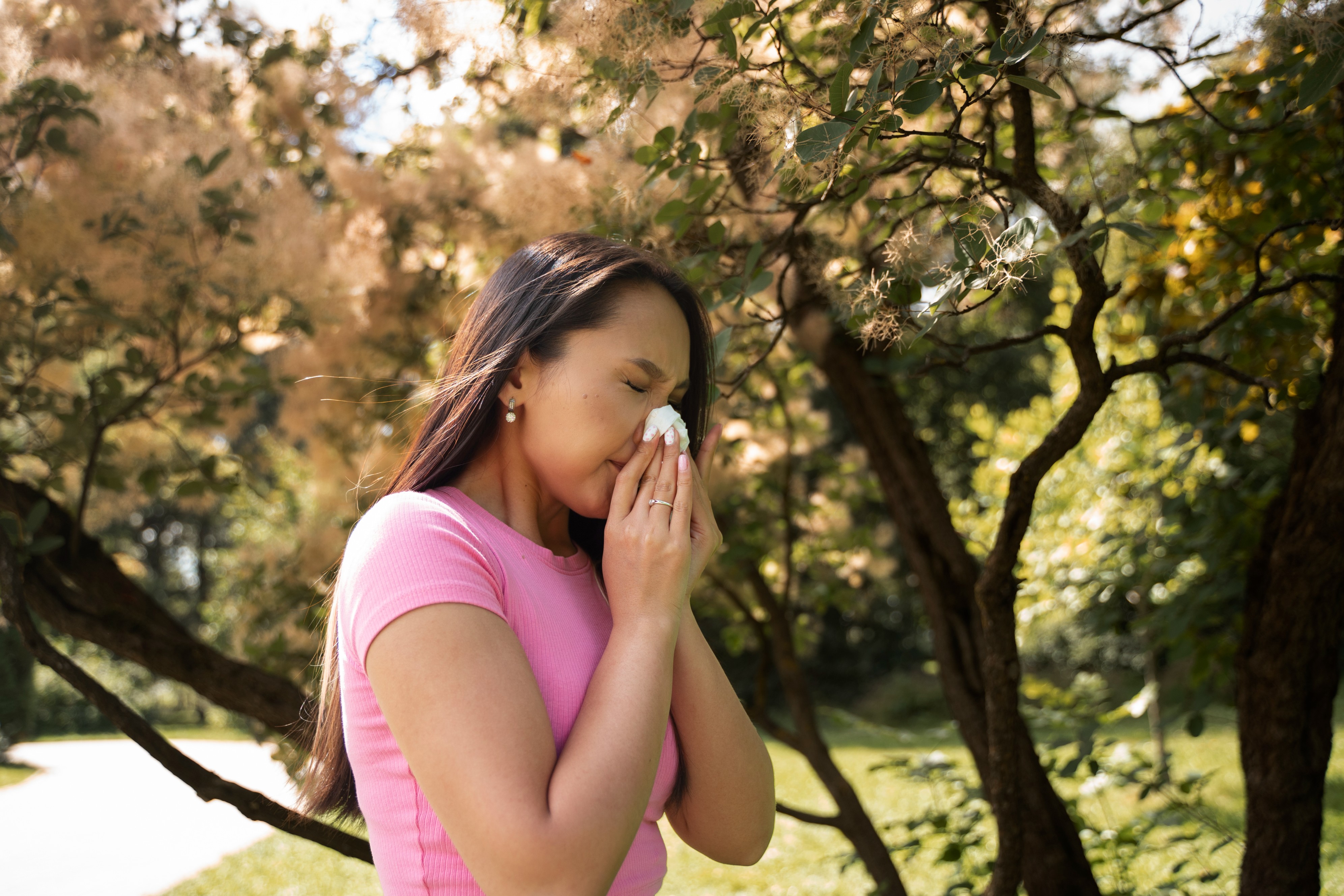
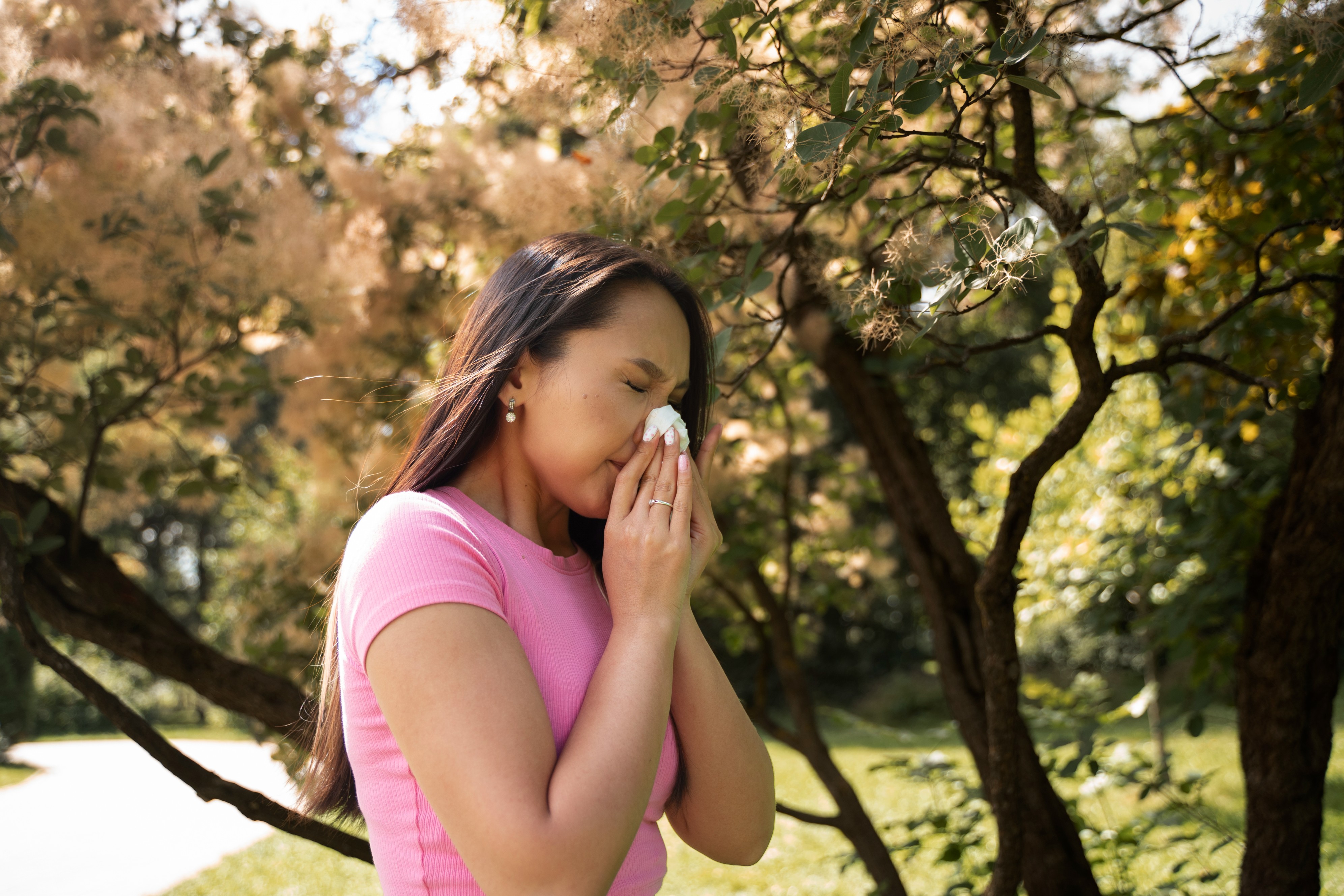
Whether it is shifting pollen counts, varying humidity, or seasonal changes in air quality, environmental factors significantly influence how your body reacts. Understanding how these external elements interact with your health is the first step toward reclaiming your comfort during high-allergy periods.
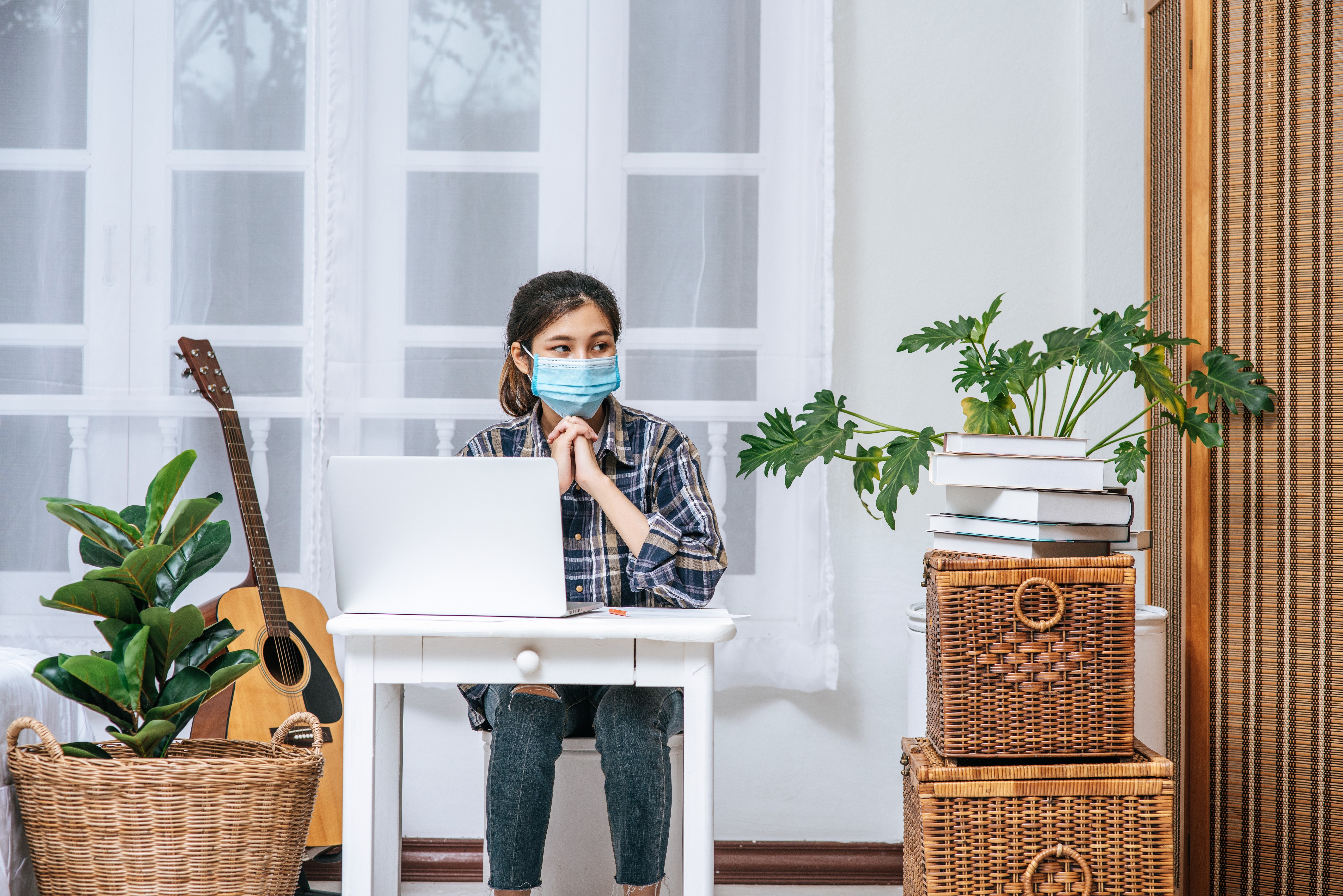
Preparation is your best defense against seasonal flare-ups. By tracking local environmental trends, you can plan your outdoor activities and indoor safety measures in advance. Simple habits, such as keeping windows closed during peak pollen hours or using air purifiers, can create a buffer that significantly lowers your body's reactive state. Knowing your specific triggers allows you to stay ahead of symptoms rather than constantly responding to them.
Effective management is about empowering yourself with the right tools and information. When you understand your triggers, you can take active steps to minimize their impact, reducing your dependence on rescue medications. A well-informed patient is far more capable of managing their health and maintaining an active lifestyle, even when the environment outside is challenging.
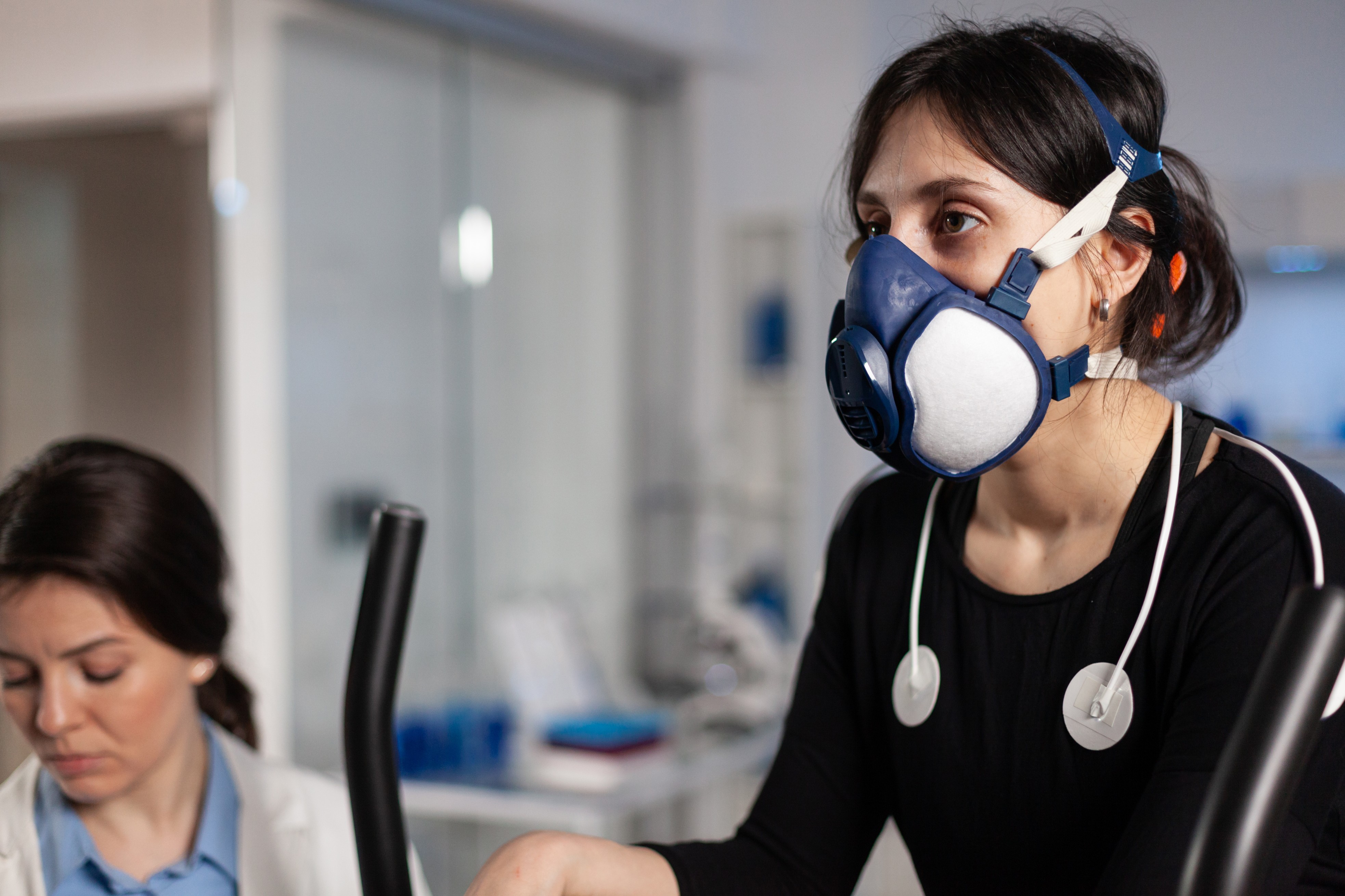
If you find that your current strategies are not providing the relief you need, a professional consultation can provide a fresh perspective and a refined action plan. There is no need to accept recurring seasonal discomfort as a permanent part of your life. With a dedicated focus on your respiratory health, you can look forward to each season with the assurance that you have the support and knowledge to manage your well-being effectively.